Jewellery

Jewellery

Jewellery

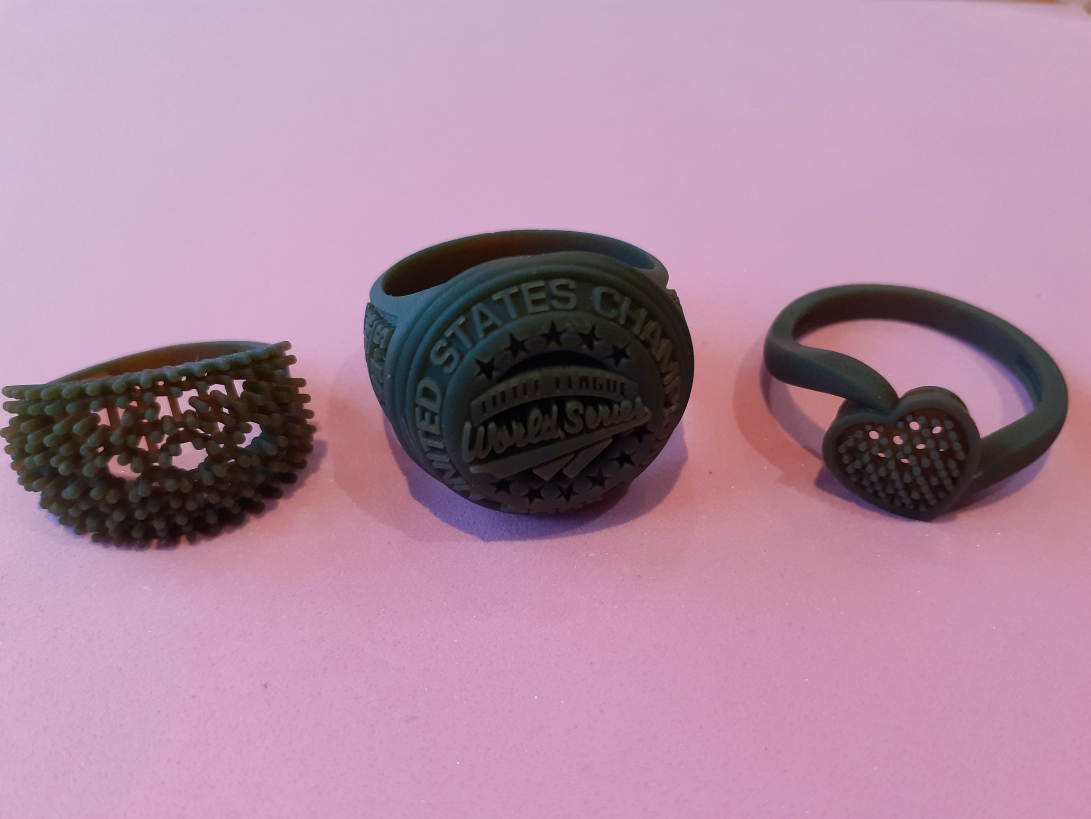
We have recently added an Envisiontec Perfactory 3D Printer to our prototyping services. This system provides the highest quality surface finish which makes it the best option for small intricate details. It is particularly ideal for Jewellery, Dental, Medical, Hearing Aids, Figurines and Miniatures aswell as Mechanical and Electronic applications.

Leather product brand

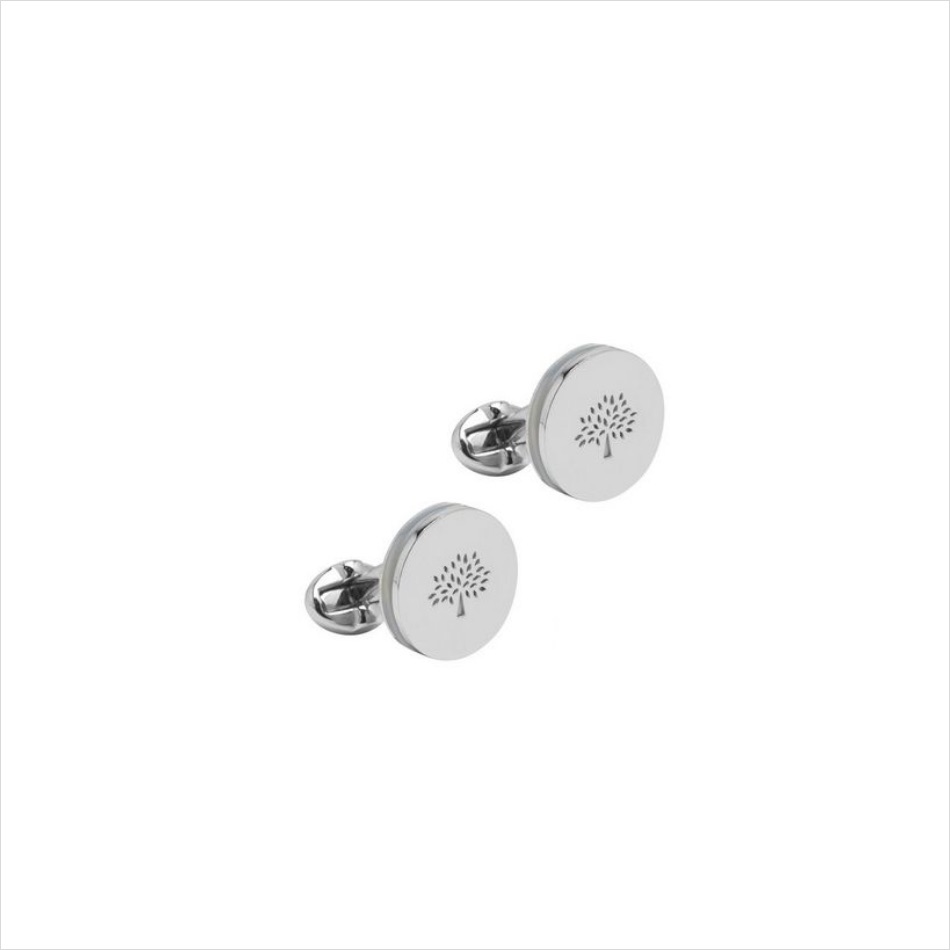
AG Prototypes has also been  working with a major Leather product company making prototypes of their many designs for items such as cufflinks, buckles and bag clasps, etc

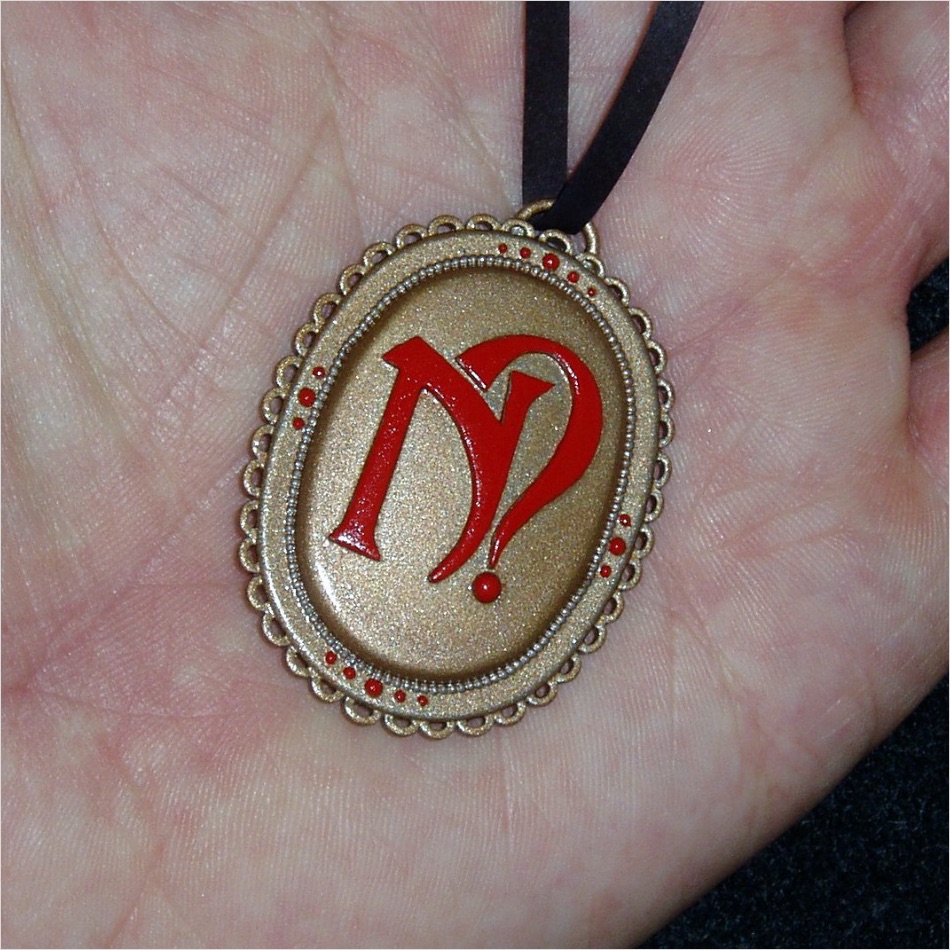
Nancy Pendant

We were asked to produce a locket as worn by the Nancy contestants on the BBC TV  I’d Do Anything…. series. This was created from our stl file, and due to the very fine detail, built on the Envisiontec Perfactory machine at 25 microns layers. The model was used as a pattern for silicone tooling and cast in a gold powder filled PU resin

Product Development

Product Development

Tile Centring Device

AG Prototypes helped with the development of this product, which is now on the market. 3D CAD files were created and CNC models were made of the centring device and the packaging panel in various sizes.
This product prevents the drill-bit slipping when drilling ceramic tiles!

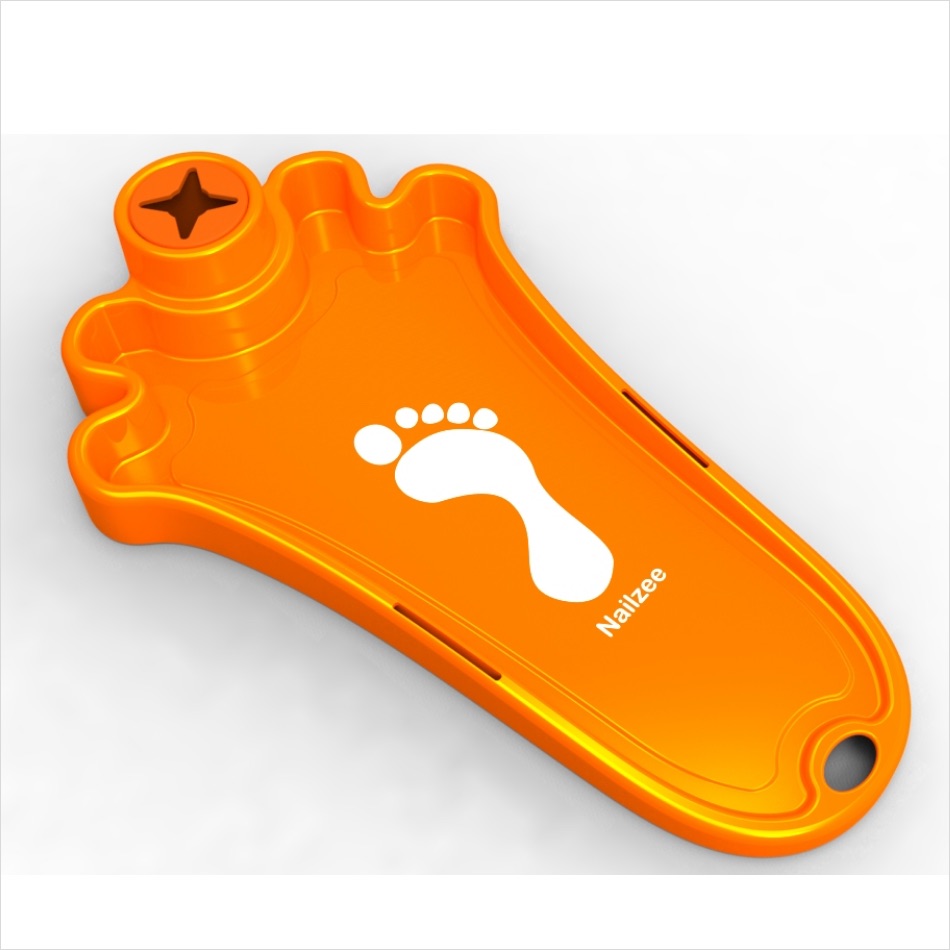
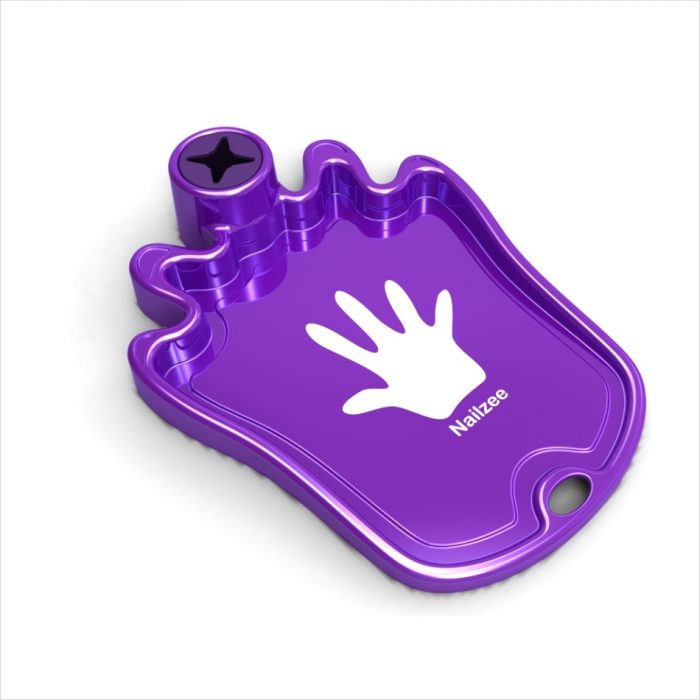
Nailzee

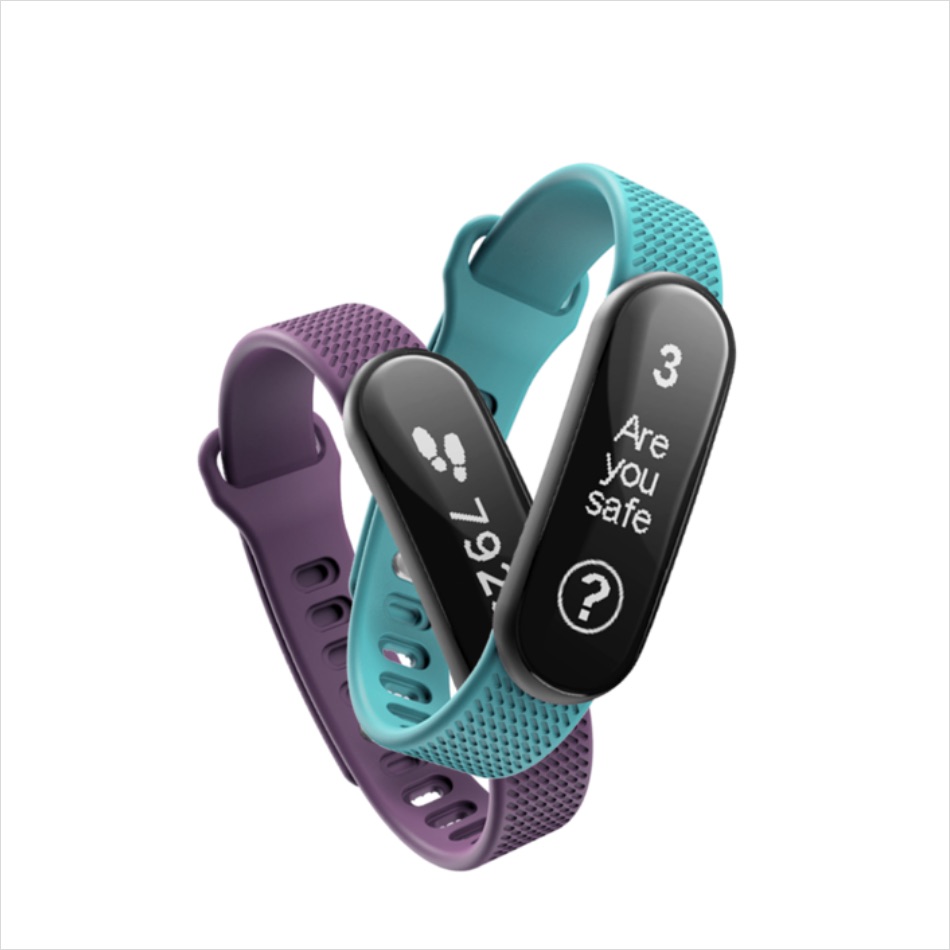
We worked closely with our client over a number of years to develop their patented manicure and pedicure trays. We assisted with the design all cad work and numerous prototypes. Nailzee Hand and Foot Trays are now in production. https://nailzee.com/

Image 3 & 4 Rendering by Merrington Design Ltd

Consumer Products

Consumer Products

Connector

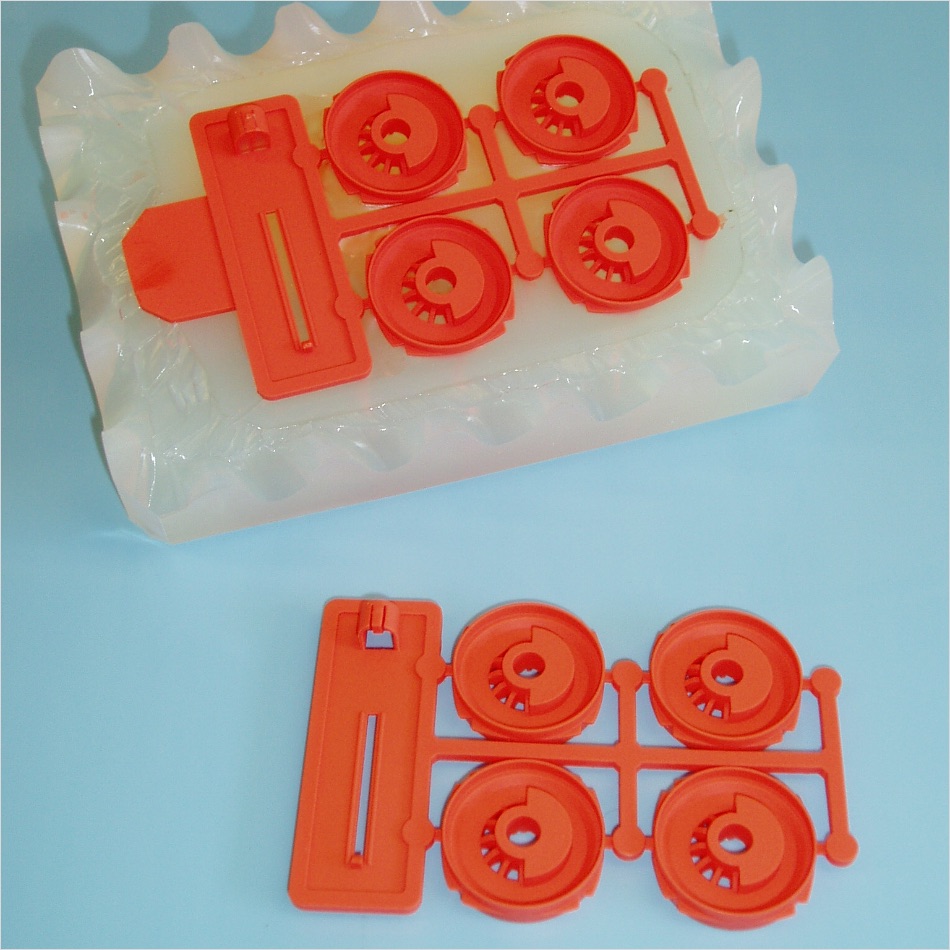
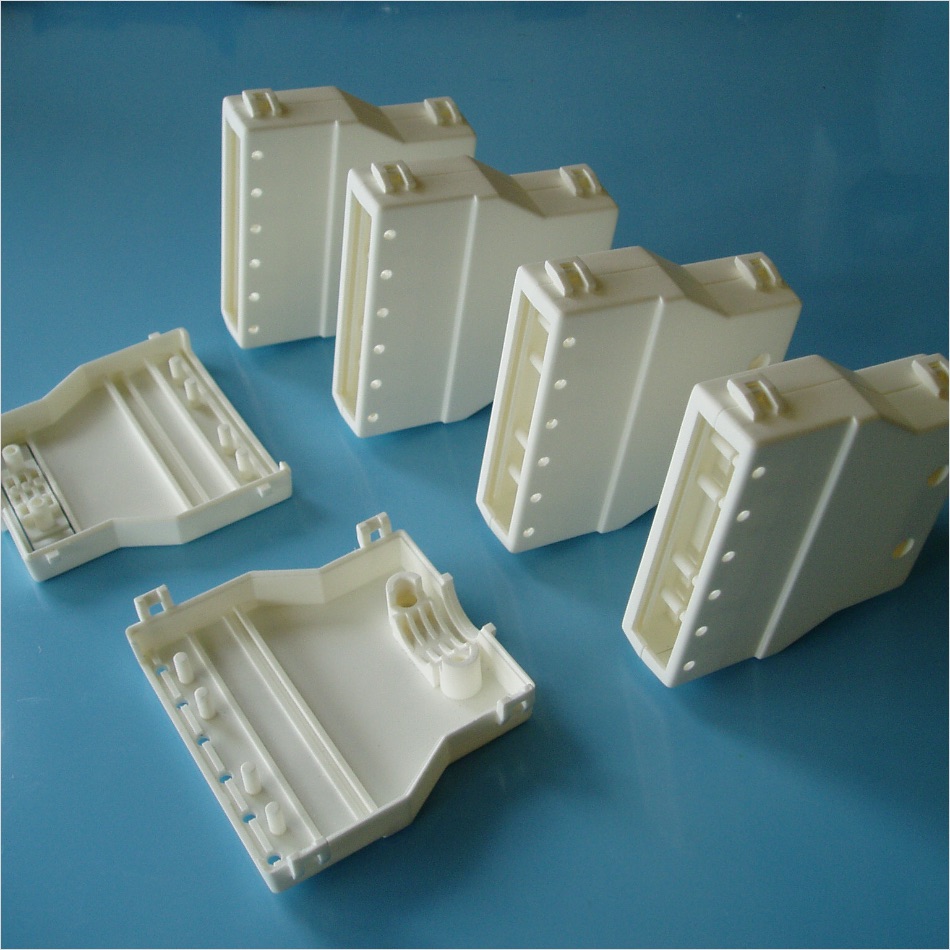
We were asked by an electrical product design company to supply 50 working prototypes for pre-production evaluation. From their 2D information, we created the 3D files, SLA model and multi cavity silicone mould tools. An ABS mimic PU was used to produce Vacuum Castings to a specific Pantone reference.

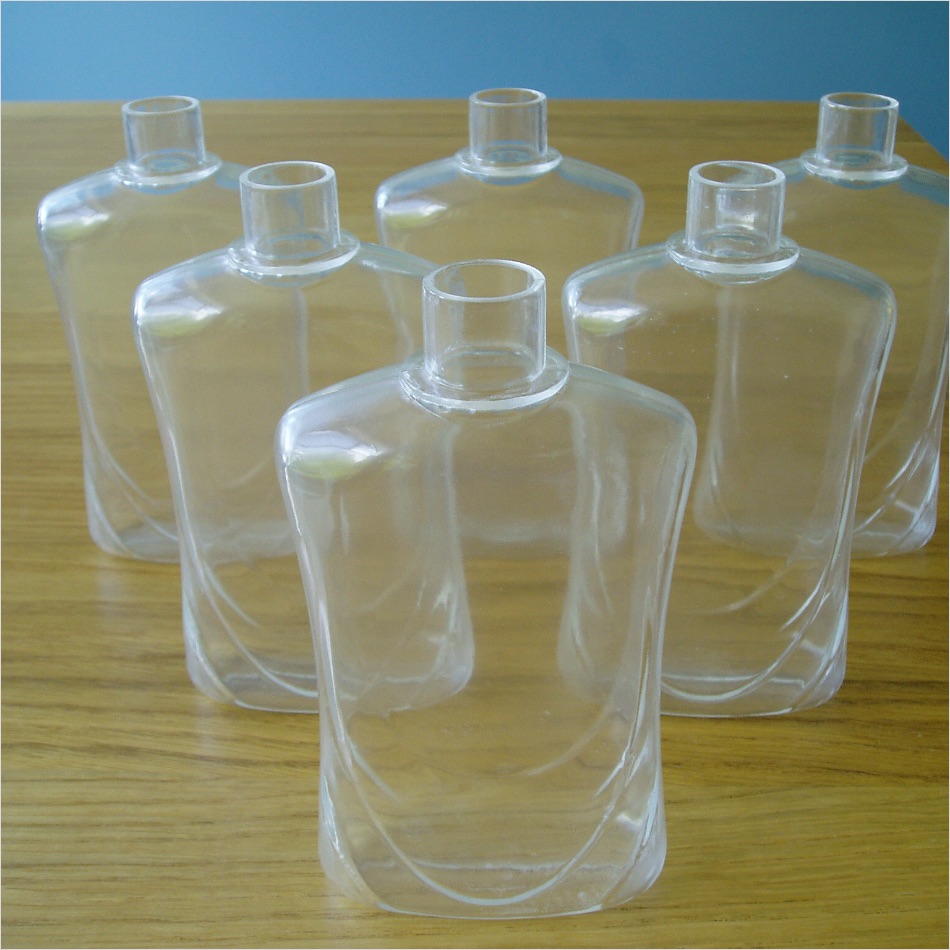
Bottles

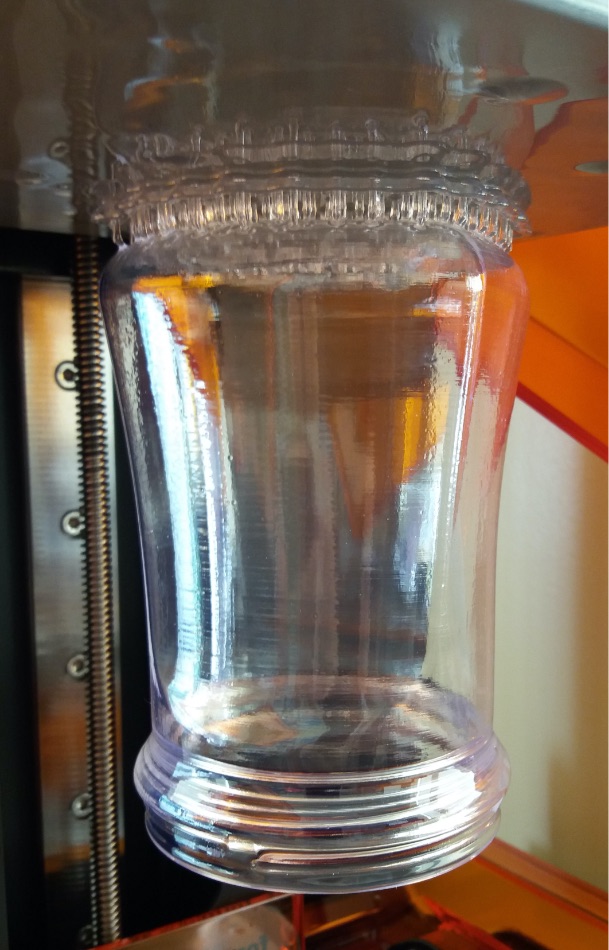
Water Clear and UV stable PU resin was used to make 6 ‘water-tight’ prototype bottles for a well known soap manufacturer. The client was able to fill the bottles with their product for advertising campaigns.

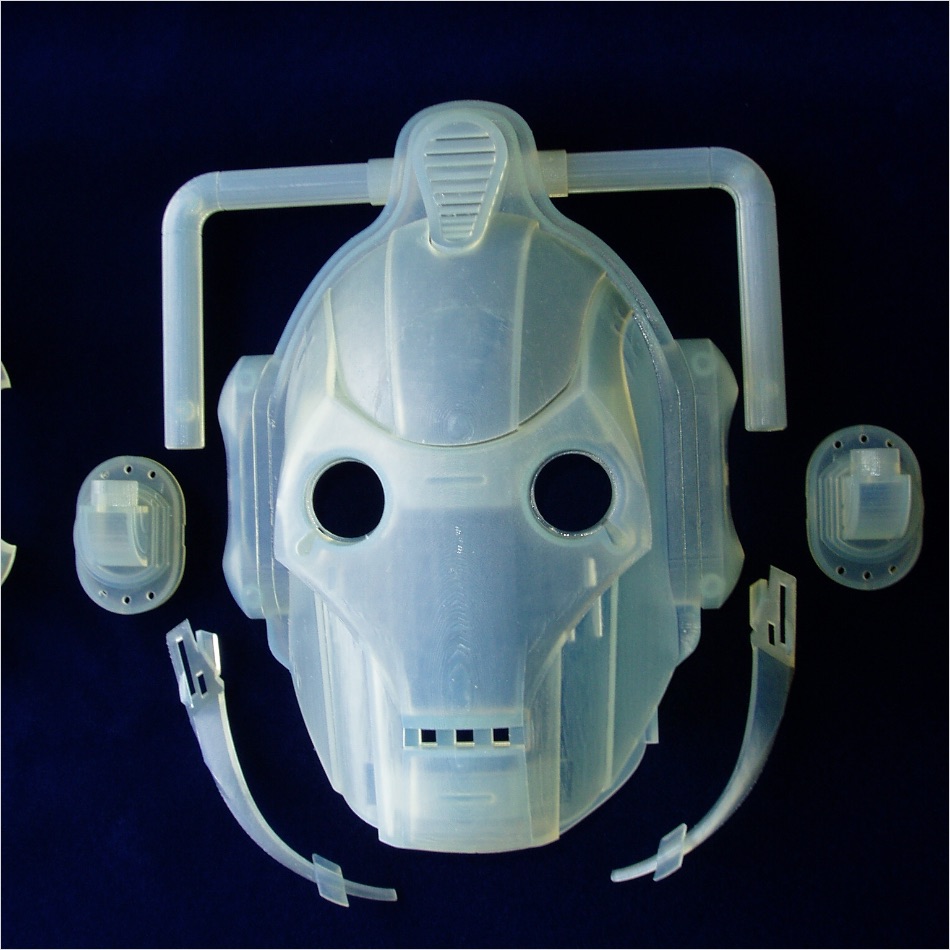
Dr Who

AG Prototypes produced SLA prototypes of the Cyberman face mask, from the recent Dr. Who BBC TV series. The model was used to aid the injection mould tooling for the child’s voice simulator Cyberman masks.

Silicone Tooling

To produce exact copies of the original prototype, we will create silicone or ‘soft’ tooling to be used in our vacuum casting machines.

This is beneficial when small or large quantities are required, in specific colours, surface finishes and when the material properties are important.

This enables us to supply our customers with realistic, working prototypes which in many instances, can be used as the actual product.

Our poly-addition cure silicone is a transparent 40A Shore rubber with good chemical resistance to polyurethanes, excellent tear strength and minimal shrinkage. We can replicate parts with complex geometry and undercuts in a variety of PU resins to closely mimic the production intended material.

Vacuum Casting

Vacuum Casting

When the 3D computer model is transfered into a STL file, the prototype can then be built using Stereo Lithography Apparatus (SLA).
Vacuum casting can save clients a great deal of time during the product development process and could prevent costly production tooling.

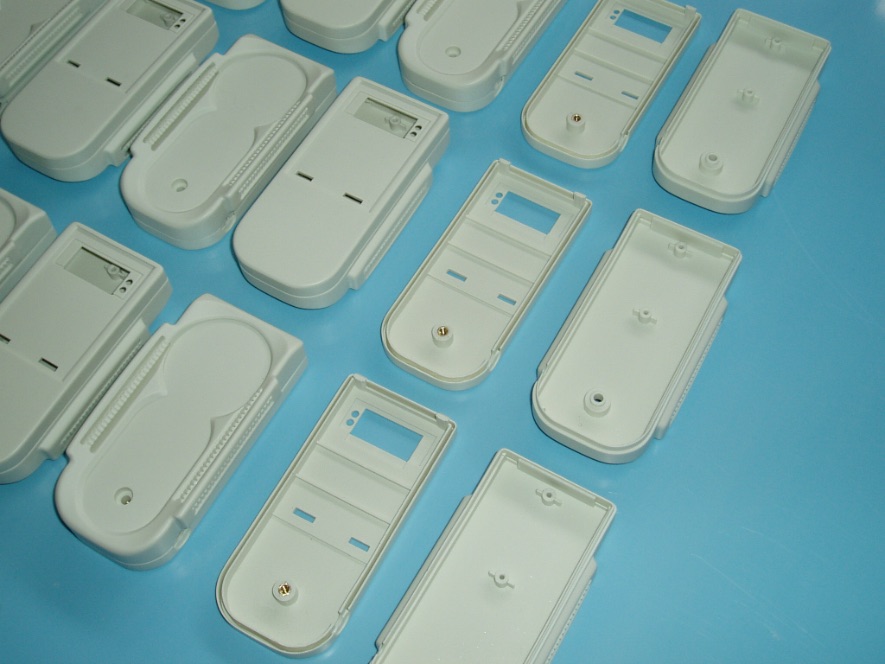
The master model is replicated by making a silicone mould to create small or large quantities of cast parts. Polyurethane resins are used to simulate the products final manufacture material.

ABS, Polypropylene, Polycarbonate, PMMA, Glass filled Nylon and Rubber with various Shore hardness can all be closely resembled. Silicone seals and gaskets can also be moulded.

AG Prototypes uses PU pigments and inks to match colours to their customer’s specifications, so castings will be an accurate representation of the final product in material, surface finish and colour.

Parts can also be replicated in UV stable, water clear resin or rubber and coloured tints if required. Pearlescent and metallic powders and glitters can be added to create spectacular finishes and effects.

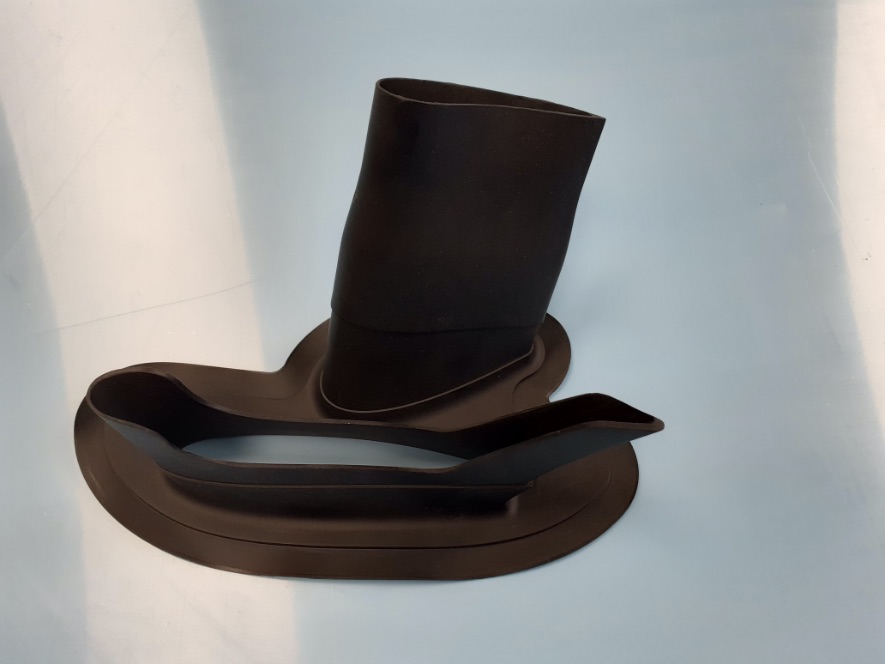
Flexible rubber parts can be produced from rigid prototypes using vacuum casting techniques.

These prototypes can be produced in clear or matched to a specific colour reference and with PU rubber ranging from 25A to 90A Shore Hardness.

Silicone parts can also be created and to FDA approval if required.

This process is ideal for gaskets, seals, rubber keypads, soft-feel surfaces and rubber over- mouldings.

The casting process involves placing the heated mould and resin components into the vacuum casting machine. The resin is mixed and poured, under vacuum, and gravity fed into the mould.

The mould is placed in an oven and once the cast part is fully cured, the part is removed from the mould and carefully hand finished, to remove the vents and gates.

3D Printing Service

Envisiontec Perfactory:

The Envisiontec Perfactory 3D Printer system provides the highest quality surface finish which makes it the best option for small intricate details. It is particularly ideal for Jewellery, Dental, Medical, Hearing Aids, Figurines and Miniatures aswell as Mechanical and Electronic applications.

The Envisiontec Perfactory 3D Printer uses state-of-the-art Direct Light Projection technology from Texas Instruments with an enhanced XY resolution of 50 microns and a Z resolution which is adjustable from 25 to 100 microns depending on the material used. Impressive build speeds of up to 10 mm per hour for the full envelope are also possible depending on the material used.

The Envisiontec Perfactory system is different from the laser or inkjet based 3D printing technologies as it builds 3D objects from liquid resin using a projector. This projector is similar to those found in high quality presentation and commercial theatre systems, known as Digital Light Processing or DLP projectors. It builds solid 3D objects by using the DLP projector to project voxel data into liquid resin, which then causes the resin to cure from liquid to solid. Each voxel data-set made up of tiny voxels (volumetric pixels), with dimensions as small as 16μm x 16 μm x 15 μm in X, Y and Z direction. It’s like building the part from very small building blocks with different volumes. Dynamic voxel thickness gives control over Z build thicknesses from 25 µm to 100 µm and the projector optics gives control over X and Y resolution from 16 µm to 69 µm. This Voxel technology allows for better surface quality as there is no ‘stepping’ or visible layering as in the slice data 

We offer a variety of materials depending on the application:

  • RC90 is a high temperature resistant resin for building tough and stiff parts at very high resolutions. RC90 is a nanoparticle-filled material that is used to build hard-wearing, stiff and high temperature-resistant parts that are ideal for silicone moulding. They have an opaque peach colour appearance. RC90 is ideal for applications requiring superior stiffness and high heat deflection temperature. It is used widely for miniatures, figurines and jewellery.
  • HTM140 is a simulated engineering plastic, which means that it’s very durable and can offer heat deflection of up to 140°C. It is a high temperature moulding material which is castable and can be directly vulcanized in rubber. Any items that are made from HTM140 can be metallized or tested for high temperature gas and liquid applications. The material can have paint applied to it and is often used for final-use applications, the high-quality surface finish makes it a great choice for small details.
  • EC500 is a wax based polymer for direct investment casting patterns (lost wax casting). It has a melting point of 250 degrees C and zero ash content on complete burnout which makes it cast as easily as any injection wax pattern. By using 100% wax, any parts created contain fine and smooth surface finish quality, which is a vital requirement when producing patterns for the jewellery consumer.
  • PIC100 is a thermoplastic-filled material for direct investment casting. It offers excellent burn out properties and build with the highest quality and crisp detail. Parts made using PIC100 resin evaporate at moderate burn out temperatures without reacting with your investment and offers an extremely low thermal expansion. It is optimally suitable for producing precious metal castings and builds extremely smooth surfaces. The burn out process is ash free allowing for a casting which is free from porosity, a problem which is a result of the ash residue when burning a polymer based material. PIC100 is a photo cured resin that produces the highest quality details without sacrificing toughness, ease of handling, and finishing.

Stratasys Polyjet

AG Prototypes also utilise Stratasys Polyjet Photopolymer Technology to offer our customer’s precise, highly accurate 3D Printed models with incredible fine detail, amazingly smooth surfaces and complex geometries with small moving elements. 

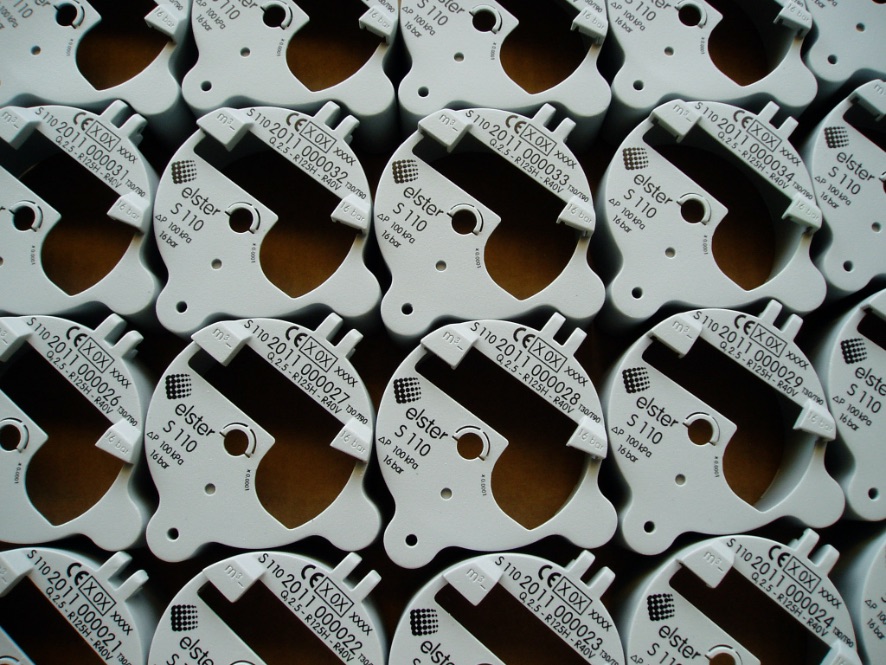
Models are printed in white, grey, black or clear abs-like, photopolymer material combining fine 25 micron ( µ ) layers with a very small drop size and high resolution of 600 x 600 dpi. This enables reproduction of exceptionally smooth and highly detailed parts with minimal hand finishing required

  • High Quality – 28 micron ( µ ) layers deliver smooth, accurate, highly detailed models.
  • High Accuracy – Precise jetting and advanced material properties produce parts with fine details and thin walls down to 0.6mm.
  • Fine Detail – Surface feature detail such as text and logos are sharp and stand out clearly.
  • Fast Turnaround – High speed build of multiple items in the same print run, with minimal hand finishing required, result in shorter leadtimes.

Formlabs

The Form3 is a Low Force Stereolithography (LFS) printer. This new technology balances speed and detail to give intricate prints quickly. Adaptive layer height allows for printing the non-detailed parts of the model more quickly (at a lower resolution), whilst retaining the high resolution required for the intricate areas.

Resins available are: Grey, Black, White, Clear, Tough, High Temperature, Durable, Castable Wax and Dental Model.

Exceptional high quality surface finish with the options of 100, 50 or 25 micron ( µ ) layers deliver smooth, accurate, highly detailed models.

Applications

  • Fit, Form and Function – High accuracy and fine detail enable validation of assembled parts fitting properly and that moving components operate correctly.
  • Presentation – Super thin build layers create exceptionally smooth surfaces that can be painted to produce a closer representation of the final product for marketing presentations.
  • Rapid Tooling – Durable models with outstanding feature detail can provide direct ‘rigid’ tools for silicone parts. Models are predominantly used to create soft tooling for vacuum casting of small pre- production runs.

Get In Touch

If you have a question or would like to know more information we would love to hear from you...

AG Prototypes are based in Welwyn Garden City, Hertfordshire. Our location is close to London, the M1, A1 and M25. You can also use the form below to contact us:

© Copyright2026 AG Prototypes